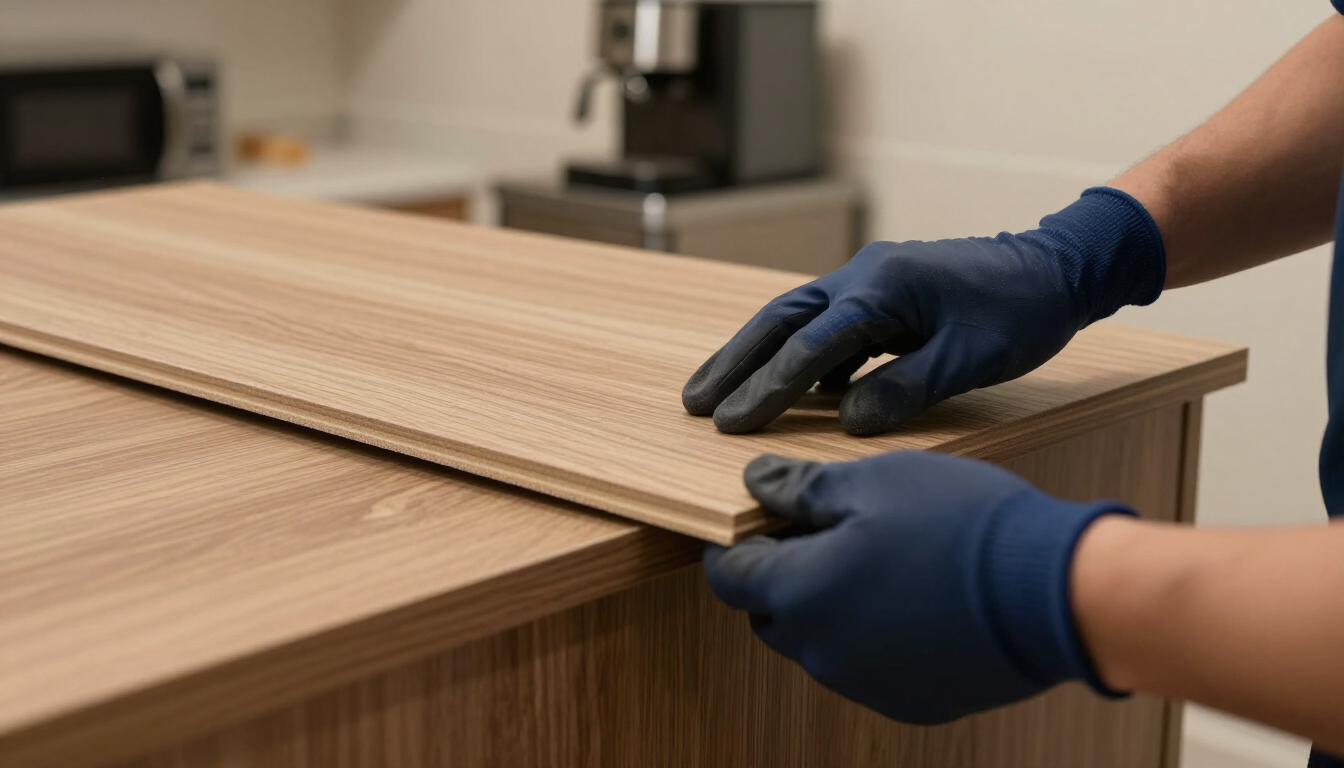
How to Choose Commercial Millwork Materials (2026 Guide)
Commercial millwork materials include plastic laminate, solid surface, and finished wood, each suited for different professional environments. Laminate offers cost-effective durability, solid surface provides non-porous hygiene for medical settings, and finished wood delivers high-end aesthetics. Selecting the right material requires evaluating traffic levels, moisture, and maintenance needs.
Selecting the right foundation for your project is more than just an aesthetic choice; it is a long-term investment in your facility's functionality. For over 30 years, our family-owned team has helped professionals across the Mid-Atlantic region navigate these choices to create spaces that last.
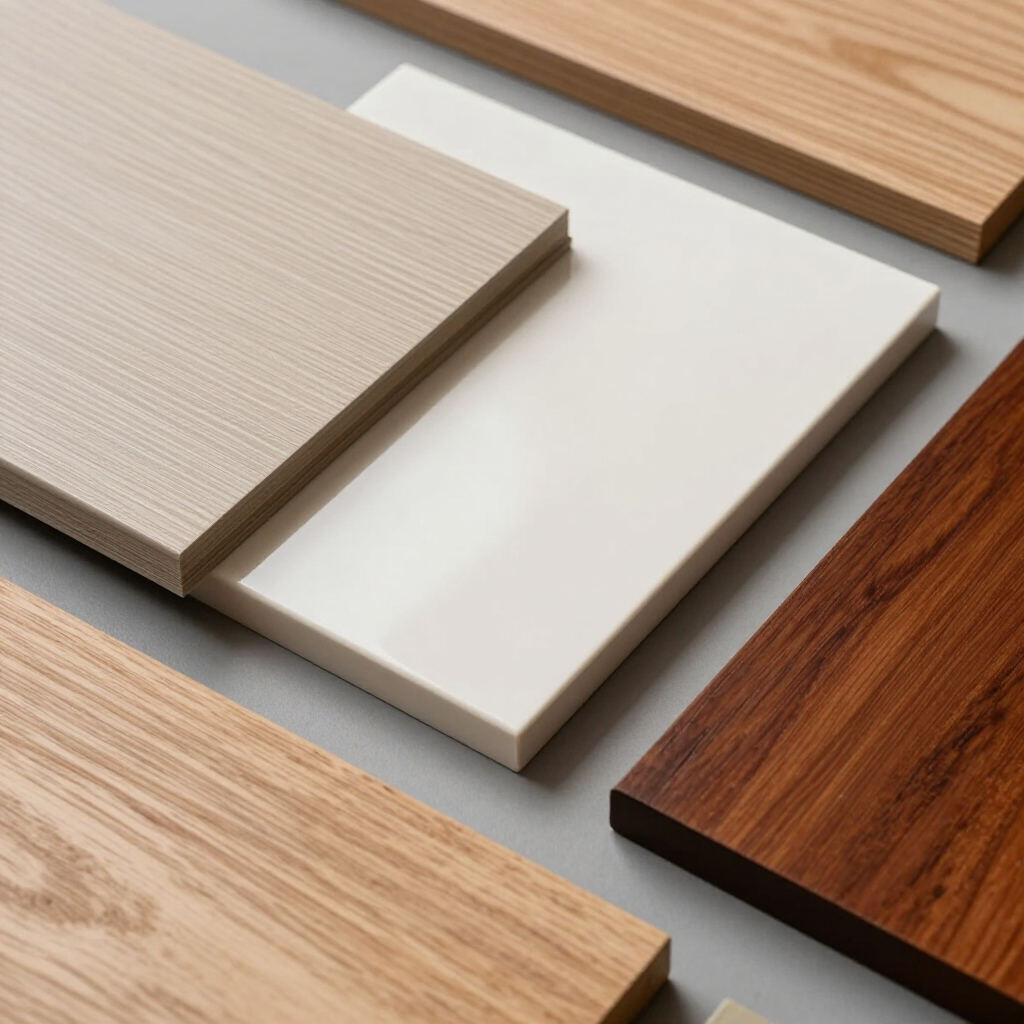
What are the most common commercial millwork materials?
In the world of commercial millwork, three main materials dominate the landscape: high-pressure laminate (HPL), solid surface, and finished wood. While they might look similar from a distance, their structural properties vary significantly.
Architects and general contractors typically choose materials based on the specific application, such as high-traffic retail counters, sterile healthcare environments, or luxury corporate boardrooms. Understanding the lifecycle of these materials—from installation to daily wear and tear—is the first step in successful project planning.
High-pressure laminate for durability
High-pressure plastic laminate is the workhorse of the commercial world. It consists of layers of paper impregnated with resin and bonded under high pressure. It is incredibly versatile and available in thousands of colours and textures, including realistic wood grains and stone patterns.
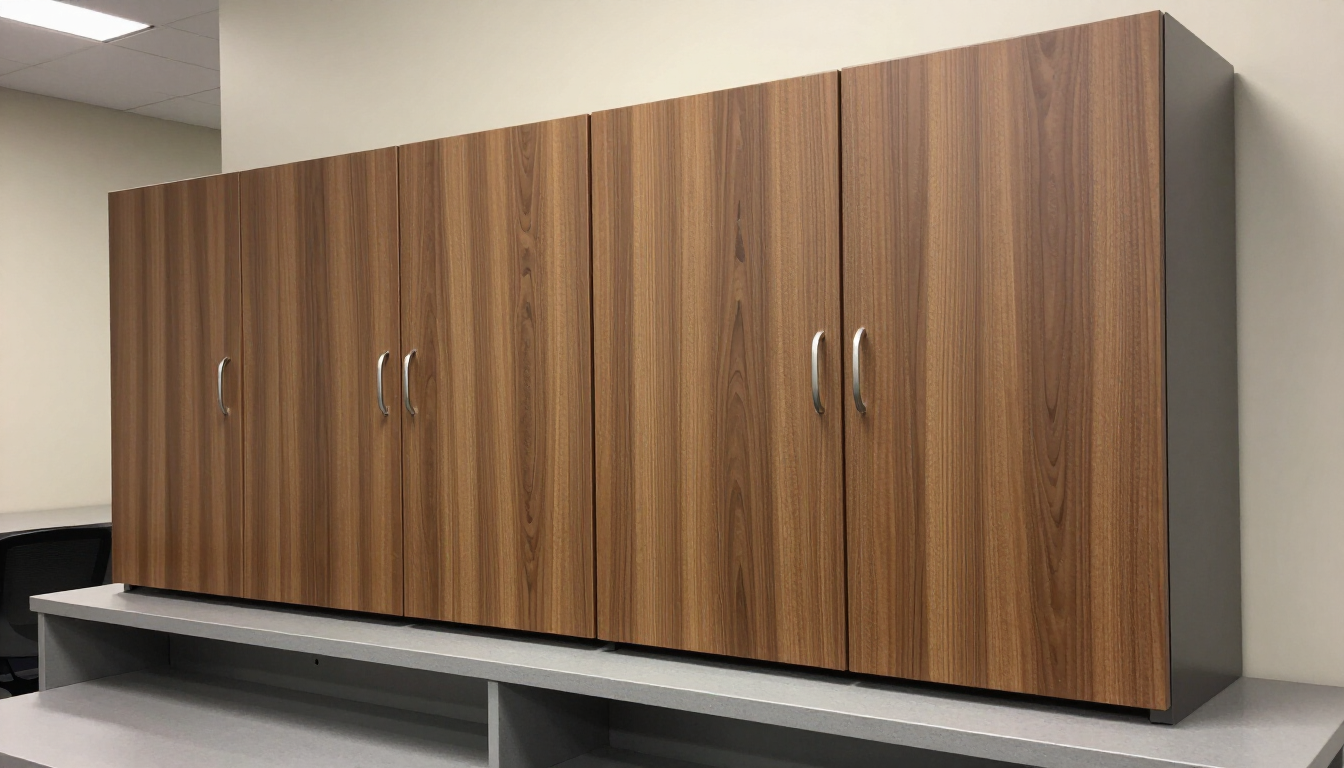
Laminate is ideal for custom cabinets and fixtures in schools, break rooms, and retail stores because it resists scratches and impacts. If your existing fixtures are looking worn but the structure is sound, you might even consider laminate refacing to refresh the look without a full replacement.
- Cost-effective for large-scale projects
- High resistance to impact and scratches
- Wide variety of design options
- Easy to clean with standard solutions
- Durable for high-traffic cabinet doors
Why use solid surface in healthcare environments?
Solid surface materials, like Corian or similar acrylic-based products, are non-porous and seamless. This makes them the gold standard for healthcare and food service applications where hygiene is the top priority. Unlike laminate, which has seams where bacteria can hide, solid surface can be joined invisibly.
This material is also repairable. Because the colour goes all the way through, minor scratches can be sanded out, and larger chips can often be filled to look brand new. While it is more expensive than laminate, its longevity and sanitary properties make it a premier choice for commercial countertops.
When should you invest in finished wood?
Finished wood and natural veneers are the pinnacle of architectural millwork. When a project requires a sense of warmth, luxury, and permanence, nothing replaces the authentic grain of finished wood. It is most commonly found in executive offices, hotel lobbies, and high-end restaurants.
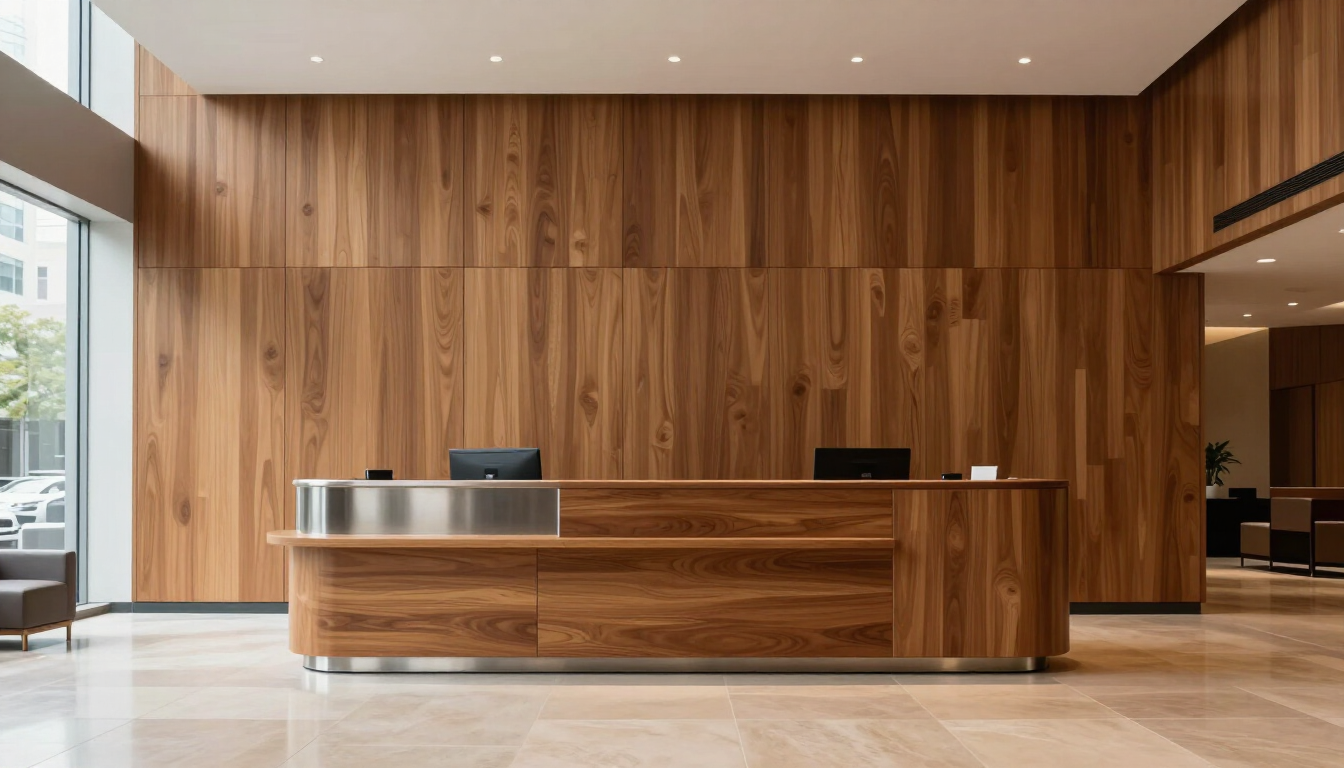
While wood requires more maintenance and is sensitive to humidity changes, its aesthetic value is unmatched. Our team at Maryland's millwork experts often recommends using wood in low-moisture areas where the design intent is to make a lasting impression on clients and visitors.
Essential factors for casework material selection
Before finalizing your specifications, you must evaluate the environmental stressors the millwork will face. A material that works well in a dry office might fail in a damp laboratory or a busy cafeteria.
- Moisture Levels: Choose solid surface for wet areas.
- Usage Intensity: High-pressure laminate handles heavy daily abuse.
- Budget Constraints: Laminate is the most budget-friendly.
- Hygiene Requirements: Seamless surfaces are vital for clinics.
- Aesthetic Impact: Natural wood creates a premium feel.
How to maintain commercial millwork surfaces?
Maintaining your investment ensures that your commercial space looks professional for decades. For laminate, avoid abrasive cleaners that can dull the finish. For solid surface, regular wiping with soap and water is usually sufficient, though periodic professional buffing can restore its original sheen. Wood requires the most care, including specific cleaners and climate control to prevent warping.
Selecting the right commercial millwork materials requires balancing the immediate needs of your budget with the long-term demands of your space. Whether you need the rugged durability of laminate or the seamless safety of solid surface, choosing the right material at the start saves time and money on future repairs.
Key Takeaways for Your Project:
- Choose Laminate for cost-sensitive, high-traffic cabinet and shelving needs.
- Select Solid Surface for countertops in medical or food-prep areas where hygiene is critical.
- Invest in Wood for high-end aesthetic areas like lobbies or boardrooms.
- Consult Experts early in the design phase to match material properties to environmental needs.
Recent Posts